
Trends in Smart Homes & Smart Buildings: What Dubai Homeowners Should Know
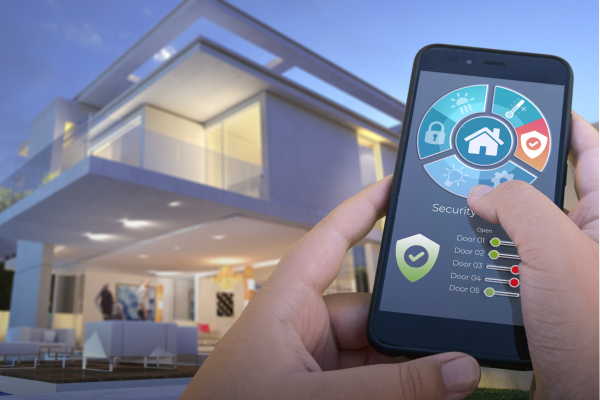
Most smart homes in Dubai aren’t actually smart. They’re just automated. And there’s a big difference.
If you’re researching smart home design Dubai, chances are you’re trying to understand what’s worth investing in and what’s just marketing. This article is written for that exact moment before you commit to systems that look impressive but don’t age well.
You’ll get a clear view of how smart buildings and homes are planned properly in Dubai, how MEP systems shape automation outcomes and also, why early design decisions matter more than the technology itself. The goal is not make it sound unnecessarily complicated, but to help you build something that stays comfortable, efficient and manageable years after installation.
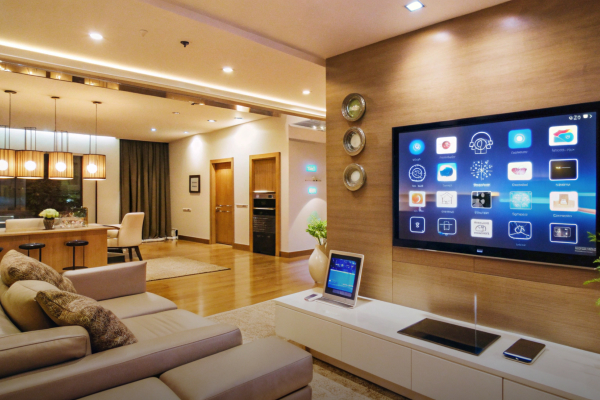
Smart vs Automated: The Confusion Most Homeowners Face
Automation reacts. Smart systems think ahead.
Many homes labelled “smart” simply follow commands: lights switch on, curtains move, air conditioning responds to schedules. But in Dubai, where heat load, humidity and energy demand are constant pressures, that’s not enough.
A genuinely smart system:
- Adjusts cooling based on occupancy and time of day
- Reduces energy use without compromising comfort
- Flags issues before they become failures
- Works quietly in the background, without daily intervention
This difference matters a lot because automated homes often look impressive at first and feel frustrating later. On the other hand, smart homes feel boring but that’s a good thing. They work without asking for attention.
How Smart Planning Differs by Project Type
| Project Type | Primary Focus | What Should Be Prioritised |
| Villas | Comfort & cooling | Zoning, shading, manual overrides |
| Residential buildings | Efficiency & maintenance | Central systems, monitoring, access control |
| Industrial buildings | Reliability & uptime | Load monitoring, ventilation, safety integration |
One smart solution does not fit all circumstances. Systems must match what the residents of the building actually need and how the architectural structure can incorporate those requirements.
Why Dubai Needs a Different Smart Home Approach
Dubai isn’t a neutral testing ground for technology. Heat, dust, humidity and high energy demand change in how systems perform.
Three factors shape smart planning here:
- Cooling dominates everything
HVAC systems account for the largest energy load. Any smart feature that doesn’t reduce cooling demand adds little value. - Buildings operate year round
Unlike seasonal climates, systems in Dubai rarely get downtime. Poorly planned automation wears out faster. - Regulatory and utility coordination
Smart systems must align with DEWA requirements, civil defence approvals and building management frameworks.
This is why home automation UAE design works best when it starts with building physics, not gadgets.
Regulatory Considerations for Smart Homes and Smart Buildings in Dubai
Smart systems don’t exist in isolation. In Dubai, every connected feature must sit within clear regulatory and safety frameworks.
Understanding how approvals work early prevents redesigns, delays and rejected submissions later.
| Authority / Area | What Is Reviewed | Why It Matters |
| Electrical approvals | Load calculations, distribution boards | Smart systems increase electrical demand |
| Fire & life safety | Emergency overrides, alarms | Automation must never block safety systems |
| Utility coordination | DEWA / authority connections | Smart monitoring must align with approvals |
| Documentation | As-built drawings, manuals | Required for final handover and compliance |
Smart homes fail approvals not because of technology, but because systems are added without proper engineering documentation.
Smart Building MEP Dubai: Where Real Intelligence Lives
Most smart features fail because MEP planning came too late.
Lighting scenes and app controls sit on top of electrical, mechanical and plumbing systems. If those systems aren’t planned together, automation becomes patchwork.
In smart building MEP Dubai, intelligence starts with:
- Load calculations that reflect actual use
- Zoning that matches how people occupy spaces
- Sensors placed for performance, not convenience
- Systems sized for efficiency, not just capacity
For example, automated cooling only works when air distribution, insulation, glazing and controls speak the same language. Without that coordination, automation increases cost without improving performance.
Key Smart Home Trends That Actually Make Sense in Dubai
Not every trend deserves adoption. These are the ones proving practical value.
- Zonal Cooling with Occupancy Logic
Instead of cooling entire homes uniformly, smart zoning adjusts based on presence. Rooms cool only when needed, reducing energy waste. - Integrated Shading and Glazing Control
Automated blinds tied to solar exposure cut heat gain before HVAC systems compensate. - Energy Monitoring That Residents Understand
Dashboards are useful only when data is readable. Simple usage comparisons drive better behaviour than complex charts. - Predictive Maintenance Alerts
Sensors that flag abnormal equipment behaviour help avoid breakdowns during peak summer months.
These features reduce running costs quietly without changing how residents live.
What Often Goes Wrong in Smart Homes
Mistakes usually come from timing and priorities.
Common issues include:
- Automation added after construction
- Systems chosen before understanding usage
- Multiple vendors working without coordination
- Over customisation with limited future support
Once the construction part is complete and systems are installed, corrections become costly. That’s why smart planning must happen early, especially in villas and mid-rise residential buildings.
How Smart Planning Differs by Project Type
Smart planning looks very different depending on how a space is used day to day. What works well in a private villa may not suit a residential block or an industrial facility.
| Project Type | Primary Focus | What Should Be Prioritised |
| Villas | Comfort & cooling | Zoning, shading, manual overrides |
| Residential buildings | Efficiency & maintenance | Central systems, monitoring, access control |
| Industrial buildings | Reliability & uptime | Load monitoring, ventilation, safety integration |
One smart solution does not fit all. Systems must match how the building is actually used.
Smart Homes vs Smart Buildings: The Overlap Homeowners Miss
Homeowners often think smart buildings apply only to offices or towers. In reality, villas and residential projects face the same challenges.
A smart villa still needs:
- Load balanced electrical systems
- Water efficiency planning
- HVAC zoning logic
- Backup and fail-safe strategies
The principles behind industrial MEP consultants Dubai projects trust are efficiency, reliability and safety that apply equally to homes. The scale changes but the logic behind it doesn’t.
Where Smart Design Saves Money (And Where It Doesn’t)
Smart systems save money only when they reduce waste.
They work well when:
- Reducing cooling hours
- Cutting lighting overuse
- Preventing equipment failure
- Simplifying maintenance
They don’t help when:
- Installed purely for control convenience
- Too complex for daily use
- Dependent on niche service providers
Smart homes should lower effort, not increase it.
What Smart Homes Actually Cost in Dubai (And Where the Money Goes)
Smart homes often get described as “expensive” or “worth it” without any real numbers.
In Dubai, the cost depends less on the technology itself and more on when and how it is planned into the project.
| Cost Component | Typical Range (Dubai) | What It Covers | What Clients Should Know |
| Smart design & coordination | AED 15,000 – 40,000 | Automation planning, MEP coordination, load planning | Skipping this often causes higher costs later |
| Basic home automation | AED 30,000 – 70,000 | Lighting, basic AC control, curtains | Suitable for most villas |
| Advanced automation | AED 80,000 – 150,000+ | Climate zoning, energy monitoring, security | Must be planned early with MEP |
| Smart MEP integration | AED 20,000 – 60,000 | Sensors, dashboards, system integration | Reduces long-term energy bills |
| Annual maintenance | AED 3,000 – 8,000 | Updates, system checks | Depends on brand and system complexity |
In Dubai, smart systems cost more when added late. Planned early, they usually reduce cooling and power costs by 15–25% over time.
Planning Smart from Day One
The most successful smart homes share one trait: decisions made early.
Key planning stages include:
- Concept design: zoning, orientation, envelope
- Detailed design: MEP coordination, load planning
- Execution: correct installation and testing
- Handover: clear documentation and user training
When these stages align, smart systems fade into the background and that’s the goal.
What Homeowners Should Ask Before Committing
Before approving any smart package, ask:
- What problem does this solve?
- Does it reduce energy or effort?
- Can it function manually if needed?
- Who maintains it long term?
Good answers signal good planning.
Looking Ahead: Smart Homes That Age Well
Technology changes. Buildings stay.
Smart homes and buildings in Dubai must be designed to accept upgrades without disruption. Flexible infrastructure matters more than specific brands.
The future isn’t about more controls. It’s about fewer decisions, lower costs and systems that support daily life without constant input.
How to Design Smart Systems That Still Work 10 Years Later
Technology changes faster than buildings. A really good smart design leaves room for upgrades without forcing major rewiring or demolition later.
| Design Choice | Long-Term Benefit |
| Open system architecture | Easy upgrades |
| Accessible wiring routes | No demolition later |
| Modular controllers | Partial upgrades possible |
| Clear system documentation | Smooth maintenance |
Future-ready design saves money by avoiding full system replacement.
That’s what real smart design looks like.
Smart homes and smart buildings work best when technology supports the structure, not the other way around.
If you’re planning a villa, residential building or mixed-use project in Dubai and want systems that actually perform over time, AAA helps you make those decisions early before they become expensive to change.
Speak with our team to understand what smart planning should look like for your project.
