Industrial & Warehouse Design Best Practices — Efficient Structural + MEP for Industrial Spaces in Dubai
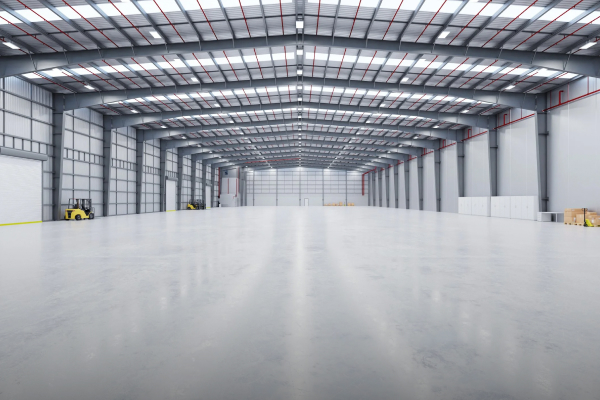
Behind every well-functioning warehouse in Dubai is a design that understands how industrial spaces really behave: heat building up under high roofs, forklifts moving across the same paths all day, machinery drawing steady power and loads shifting as storage patterns change. None of this works without solid structural planning and a reliable MEP foundation that can handle real operations, not just drawings on paper.
Industrial buildings rarely fail because of one “big flaw.” Instead, small design misses add up, slabs that crack under repeated load, poor insulation that traps heat, MEP routes squeezed into leftover spaces or fire systems added too late to fit actual layouts. Dubai’s regulations can feel demanding, but there’s a reason for that: safety, durability, and operational resilience.
This guide breaks down the best practices that shape efficient, compliant and long-lasting industrial facilities in the UAE. Whether you’re building a warehouse, a logistics hub, a cold store or a mixed-use industrial space, these are the decisions that matter most.
1. Understanding the UAE Context: Why Industrial Building Design in Dubai Needs a Different Approach
Dubai’s industrial zones: Ras Al Khor, Jebel Ali, Al Quoz, Dubai Industrial City operate in a climate and regulatory structure unlike most global regions. Design teams do not only design for “expected use.” They design for:
- Extreme heat and humidity
- High dust exposure
- Heavy vehicle movement
- Long operational hours
- Energy efficiency requirements
- Stringent fire and life-safety codes
A warehouse may look simple, but in Dubai, it is a highly engineered system that has to run efficiently with minimal downtime. This is why integrated structural and MEP thinking is not a luxury, it’s the baseline for a building that performs.
2. Structural Layout Planning: The Backbone of Warehouse Structural Design in the UAE
The starting point in any industrial project is the structural grid. When the grid aligns with operations, everything else becomes easier. When it doesn’t, the project pays for it in rework, awkward circulation and inefficient storage layouts.
Key Structural Best Practices
A. Optimising Column Spacing for Storage and Movement
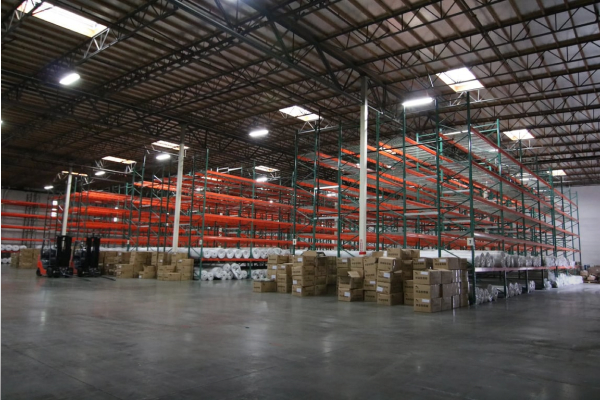
In warehousing, columns are not only structural, but they also control how products flow.
- Wider spacing supports high-rack storage systems.
- Narrow spacing limits forklift movement.
- Misaligned grids disrupt MEP routes and fire systems.
Planning the grid with the operational layout prevents costly early revisions.
B. Designing Slabs That Handle Repetitive Loads
Slab failures in industrial settings almost always come from the same source: the design doesn’t match the real load pattern.
Dubai warehouses often require:
- High point-load capacity for pallet racks
- Reinforced slabs or fibre-reinforced concrete
- Durable hardeners for abrasion-heavy use
A slab that is under-designed will not fail immediately but it will fail eventually.
C. Roof Height and Thermal Behaviour
High roofs reduce heat buildup, but only when matched with the right insulation and ventilation strategy.
The structure must support:
- Heat-resistant roofing systems
- Large-span steel trusses
- Space for smoke extraction and ducting
- Suspended lighting and MEP loads
Every centimetre of roof height affects cooling demand and fire system layout.
Local Load Factors That Shape Industrial Building Design in Dubai
Industrial buildings in the UAE face performance demands that go beyond structural spacing and slab capacity. Local environmental and regulatory conditions influence how long a warehouse or factory remains safe and efficient.
Key factors include:
Local Load Drivers in Dubai
- Soil-bearing variability: Areas like Al Quoz, JAFZA, and Ras Al Khor have different soil capacities, influencing foundation design.
- Thermal expansion: High daytime–nighttime temperature swings require expansion joints to prevent cracking.
- Wind load considerations: Wide-span steel structures must comply with UAE wind load standards for long-term stability.
- Humidity-driven corrosion: High humidity accelerates steel oxidation unless protective coatings are planned early.
Understanding these influences allows industrial buildings to perform reliably in UAE conditions without premature structural wear.
3. Coordinated Structural + MEP Planning: The Most Overlooked Step in Industrial Spaces
Many design issues in industrial buildings happen because structure and MEP teams work in isolation. When MEP is squeezed in after the structure is fixed, the result is:
- Clashes between ducts and beams
- MEP rerouting that increases costs
- Fire systems that do not align with aisles
- Hard-to-access maintenance zones
Why Integrated Planning Matters
A. Early MEP Routing Prevents Costly Rework
In Dubai, heavy-duty ventilation, cooling, and exhaust systems are not optional. These systems must be coordinated before the structure is finalised.
Aligning:
- Beam depths
- Truss openings
- Duct routes
- Cable tray paths
- Sprinkler clearances
…saves time, cost, and site headaches.
B. Electrical Planning Based on Real Load Profiles
Industrial facilities run machinery, lighting, cooling, and sometimes cold storage. Loads fluctuate and without proper profiling, energy bills rise sharply.
Good MEP planning includes:
- Load diversity calculations
- Transformer and panel sizing
- Power factor correction
- Efficient lighting systems
This is where experienced industrial MEP consultants in Dubai make the biggest difference.
C. Fire and Life Safety Systems Shaped by Operations
Dubai Civil Defence requirements are strict and rightly so. Fire systems must be planned around actual warehouse use:
- Storage height
- Material type
- Flammable goods
- Rack layout
- Ventilation needs
Sprinkler spacing, hydrant placement, hose reel access all relies on accurate early planning.
Avoidable Coordination Issues Seen in Industrial Projects
Many coordination problems across warehouses and industrial facilities follow a predictable pattern. These issues typically surface during construction or early operation and correcting them later becomes costly.
Common Coordination Gaps
- Ductwork vs. beams: Ventilation ducts often collide with low beams when load calculations and roof heights aren’t aligned early.
- Panel board placement: Electrical panels sometimes land in inaccessible corners when space planning and routing aren’t coordinated.
- Fire system resizing: If water supply assumptions change during Dubai Civil Defence (DCD) review, pump rooms or tank sizes need redesigning.
- Clashing service routes: Lighting grids, AC lines and sprinkler networks often compete for the same ceiling space.
Early BIM coordination prevents nearly all of these issues and shortens approval timelines.
4. Mechanical Systems That Work for the Climate: MEP Design Essentials for Dubai Warehouses
A. Ventilation: The First Line of Thermal Control
Good ventilation reduces cooling load and improves indoor air quality. Dubai warehouses often use a mix of:
- Ridge ventilators
- Wall louvers
- Mechanical exhaust
- HVLS fans
A ventilation plan must match the building’s height, internal equipment and occupancy level.
B. Cooling: When and How to Use AC
Not all warehouses need full air conditioning. Some benefit from targeted cooling zones or evaporative cooling.
Best practices include:
- Variable refrigerant systems for offices
- Spot cooling for heat-heavy zones
- Insulated panel systems for cold stores
- Proper sealing to avoid thermal leaks
Cooling is one of the biggest cost centres; efficient planning saves long-term money.
C. Dust Control and Filtration
Industrial zones face heavy dust exposure. Poor filtration leads to:
- Equipment wear
- Indoor air quality issues
- Frequent maintenance
MEP design must integrate filters and positive pressure where needed.
Performance Benchmarks for Industrial HVAC in Hot Climates
Because Dubai’s climate is unique, HVAC systems for industrial buildings must follow performance benchmarks that ensure comfort, compliance and cost control.
Typical HVAC Needs for Industrial Spaces
| Space Type | Recommended HVAC Requirement | Reason |
| High-bay warehouses | 6–10 ACH (air changes/hour) | Helps manage trapped heat under the roof |
| Cold stores | Vapour-sealed envelope + thermal breaks | Prevents condensation and product spoilage |
| Machinery zones | Zoned cooling | Reduces energy waste in low-activity areas |
| Assembly/packaging areas | Filtered fresh air + balanced cooling | Improves worker comfort & productivity |
Matching cooling effort with operational load prevents overspending on utilities while improving daily workflow comfort
5. Electrical and Lighting Design: Powering Safe and Efficient Workflow
A. Lighting Designed Around Tasks
Many warehouses waste energy on poorly planned lighting grids. A good design considers:
- Rack heights
- Aisle widths
- Natural daylight
- Sensor-based control systems
LED with high-lumen output reduces both cost and heat load.
B. Reliable Power Distribution
Dubai’s industrial operations depend on stable power. Best practices include:
- Smart metering
- Surge protection
- Optimised panel locations
- Clear maintenance access
Power design should reflect actual usage, not generic allowances.
Energy Efficiency and Operating Cost Considerations
Electricity forms a major share of operating expenses in UAE industrial buildings, so design choices directly influence long-term costs. Even small planning decisions can reduce power consumption significantly.
Energy Saving Measures for Industrial Buildings
- LED fixtures + daylight sensors → typically reduce lighting costs by 30–40%.
- Power factor correction → helps avoid DEWA penalties for inefficient equipment loads.
- Shorter cable runs → reduce voltage drop and improve electrical efficiency.
- Bright interior wall finishes → reduce the number of fixtures needed.
This kind of cost-aware electrical planning helps industrial facilities remain efficient without compromising operational performance.
6. Fire Safety and Civil Defence Compliance: Non-Negotiable in Dubai
No industrial project moves forward without strict DCD approval. Compliance starts early and not at the approval stage.
Crucial Elements Include:
- Fire-rated walls and doors
- Smoke extraction design
- Sprinkler and hydrant planning
- Emergency exit routes
- Proper equipment spacing
Clear coordination between structural, MEP and fire teams reduces approval delays.
Understanding the Dubai Civil Defence (DCD) Approval Path
Industrial buildings undergo a structured approval journey that ensures fire readiness, safe evacuation and system reliability.
DCD Approval Process
| Stage | What It Includes | Common Pitfalls |
| Concept Review | Initial layouts, fire strategy | Underestimating storage height fire loads |
| Detailed Design | Sprinklers, pump sizing, escape routes | Incorrect water supply assumptions |
| Material Compliance | Product certifications | Using non-listed materials |
| Final Inspection | Site condition check | Mismatch between drawings & actual build |
Early alignment with these requirements reduces redesigns and speeds up final certification.
7. Sustainability in Industrial Building Design Dubai Projects
Even warehouses benefit from sustainability-driven design. Dubai’s regulations increasingly encourage:
- Low-energy lighting
- Reflective roofing
- Solar readiness
- Efficient cooling
- Durable materials
These choices reduce operational costs and extend building life.
8. Planning for Maintenance: The Step That Protects Long-Term Performance
Many buildings run into problems not because the design was wrong but because maintenance access was ignored.
Design should ensure:
- Accessible ducts
- Clear panel zones
- Safe roof access
- Replaceable insulation sections
- Service corridors
A building designed for easy maintenance stays efficient for decades.
Designing for Future Expansion and Equipment Upgrades
Industrial businesses evolve and buildings must be ready to adapt. Planning flexibility into the structure and services avoids disruption later.
Future-Proofing Considerations
- Extra electrical capacity for new machinery
- Clear structural bays for mezzanine expansion
- Accessible routes for equipment relocation
- Roof loading allowance for solar panels
- Spare conduits for future data or automation systems
This forward-thinking approach protects long-term value and prevents costly reconstruction.
9. Common Mistakes to Avoid in Industrial and Warehouse Design
Avoiding these errors saves significant time and money:
- Designing structure without knowing rack layouts
- Underestimating heat gain
- Choosing roofing without thermal study
- Placing MEP equipment too far from operational zones
- Ignoring forklift turning radii
- Treating fire systems as “add-ons”
Most of these are solved by early coordination and realistic operational planning.
Quick Checklist for Industrial Building Design in Dubai
This checklist summarises the essentials that industrial clients and consultants should align on before construction begins:
Structural
- Confirm soil-bearing capacity early
- Freeze racking layout before finalising the structural grid
- Verify roof expansion joints for thermal cycles
MEP
- Size HVAC based on internal heat gain
- Align sprinkler spacing with storage plans
- Reserve space for fire pump room and electrical rooms
Operational
- Plan forklift turning radii and loading bays
- Provide clear routes for both pedestrians and equipment
- Ensure maintenance access to all major systems
This simple framework prevents delays and cost overruns during execution.
10. Bringing It All Together: A Warehouse That Performs Well for Years
When structural, architectural and MEP decisions support each other, the result is a facility that is:
- Safer
- More energy-efficient
- Easier to operate
- Cheaper to maintain
- Fully compliant with Dubai’s regulations
Industrial spaces work best when every system has been planned with long-term use in mind.
Dubai’s industrial sector is built on reliability, safety and performance.
A warehouse or industrial facility isn’t just a building, it’s an environment shaped by workflow, climate, and strict regulatory standards. When structural planning and MEP systems are coordinated from the start, the building works with the people inside it, not against them.
Good industrial design doesn’t rely on dramatic features. It relies on practical decisions that reduce heat, improve circulation, support heavy equipment and protect operations.
This is the foundation of efficient industrial building design in Dubai, dependable warehouse structural design UAE is inclined towards, and well-planned industrial MEP systems that last.
